
Window Tinting for GTA Renters: Can You Do It?
GTA renter window tinting guide: lease approval, removable solar & frosted films, and 5-day curing in Brampton & the GTA. iSmartTinting · (416) 887-6440.
Written by
iSmartTinting
iSmartTinting (Est. 2017)
01 Residential →02 Commercial →03 Automotive →Tinting FAQs & VLT Rules →BRAMPTON & SURROUNDING GTA
Up to -8°C Home · -7°C Office · -13°C Auto
5-Day Curing & TintClub Perks
Can GTA Renters Get Their Windows Tinted?
If you rent an apartment or condo in the Greater Toronto Area, you have probably dealt with at least one of these problems: a living room that turns into a sauna every summer afternoon when outdoor heat reaches 28°C to 34°C, blinding glare on your screen while you work from home, or neighbors who can see straight into your unit from the building across the street. Window tinting for GTA renters is becoming a genuinely popular solution to all three of these issues, and for good reason. But before you book an installation, there are a few important things you need to understand, starting with whether you are actually allowed to do it.
Why Renters in the GTA Are Interested in Window Tinting
Renting in cities like Brampton, Mississauga, and Toronto comes with a specific set of challenges that homeowners rarely think about. Apartment and condo window film in Brampton, Mississauga, and Toronto helps address high-rise and mid-rise glazing built with large windows to maximize natural light—which sounds great on a listing but can make units uncomfortably hot and bright for a significant portion of the year. When you are renting, you cannot replace the windows, install exterior shading, or make structural changes to fix the problem.

Window tinting fills that gap. It is one of the few modifications that can meaningfully improve your comfort without touching the walls, floors, or structure of the unit. A good-quality window film can block a substantial amount of solar heat, reduce glare, and add a layer of privacy, all without requiring a contractor or a permit. For renters who want results without the red tape, it makes a lot of practical sense.
The demand for residential window tinting across the GTA has been rising steadily. With energy costs climbing and more people working from home than ever before, managing indoor temperature and screen glare has become a real quality-of-life issue. Window tinting is no longer just an aesthetic upgrade. It is a functional one that renters across Toronto, Mississauga, and Brampton are actively seeking out.
Is Window Tinting Allowed in a Rental Property?
The short answer is: it depends on your lease and your landlord. Window tinting is not automatically prohibited in Ontario rental units, but it is also not automatically permitted. The rules vary from building to building and landlord to landlord, which means you need to do a little homework before moving forward.
The good news is that most professionally installed residential window films use removable window film techniques. They do not damage the glass when applied correctly and can be taken off cleanly when you move out. This makes them very different from permanent modifications like drilling, painting, or structural alterations, which are almost always off-limits in a rental. The removable nature of window film is often the key factor that makes it acceptable to landlords who might otherwise say no.
What Does Your Lease Agreement Say?
Your lease is the first document you should read before doing anything to your unit, including installing window film. Most Ontario residential leases have a clause about alterations or modifications under Ontario lease rules. Some use broad language that prohibits any changes to the unit, while others are more specific about what is and is not allowed.
Look for words like "alterations," "modifications," or "improvements" in your lease. If the clause says you need written consent from your landlord before making any changes, that applies to window tinting too, even if the film is removable. If the lease only prohibits permanent alterations, there is a reasonable argument that a removable, non-damaging window film falls outside that restriction, but it is still worth confirming with your landlord directly rather than assuming.
If you are unsure how to interpret the language in your lease, the Landlord and Tenant Board of Ontario provides resources to help renters understand their rights and responsibilities. When in doubt, ask in writing so you have a clear record of what was agreed upon.
How to Get Landlord Approval for Window Tinting
Approaching your landlord about window tinting does not have to be an awkward conversation. The key is to frame the request in a way that highlights the benefits for the property, not just for you. Most landlords respond well when they understand that the modification is non-damaging and may actually add value to the unit.
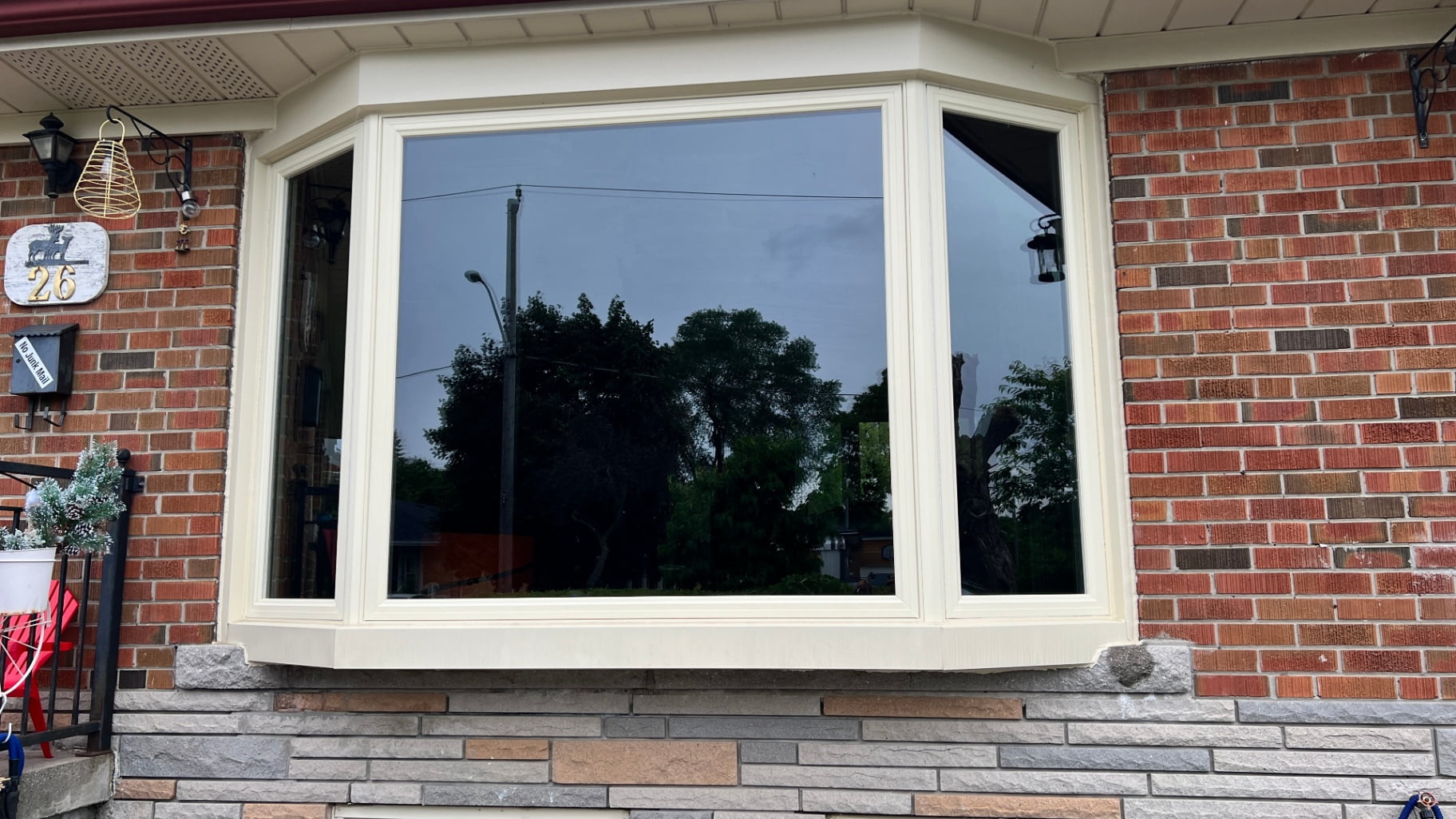
Start by explaining that you are interested in installing a removable, professionally applied window film. Emphasize that it will not damage the glass and can be removed at the end of your tenancy with no trace. Many landlords appreciate this because it means no repair costs on their end. You can also mention that window film helps reduce heat transfer, which can lower energy consumption in the unit. For landlords who cover utility costs or care about their building's energy profile, this is a meaningful benefit.
It also helps to come prepared with information about the type of film you plan to use. Letting your landlord know that you will be working with a professional installer, rather than applying a DIY film yourself, can go a long way toward building trust. Professional installation means the film goes on correctly, looks clean, and comes off cleanly. That peace of mind matters to most property owners. Once you have verbal agreement, always ask for confirmation in writing, even just an email, so both parties are protected.
What Type of Window Film Works Best for Renters?
Not all window films are created equal, and for renters specifically, the type of film you choose matters quite a bit. The goal is to get maximum performance with minimum risk of damage to the glass or the landlord relationship.
Ceramic window tint is one of the best options for residential use. It delivers excellent heat rejection and UV blocking without darkening the room significantly, which makes it a comfortable choice for living spaces. It is also stable over time, meaning it does not bubble, peel, or discolor the way lower-quality films can. For renters who want long-term performance without worrying about the film degrading before they move out, ceramic is worth the investment.
Carbon window film is another strong option. It tends to give a slightly darker, matte appearance that many people find aesthetically appealing, and it performs well for both heat and glare reduction. For renters in ground-floor units or buildings where privacy from street level is a concern, carbon film offers that added layer of visual barrier without making the interior feel dark or closed off.
Frosted privacy film and decorative films are also popular among renters, particularly for bathroom windows, glass doors, or any area where privacy is the primary concern rather than heat. These films obscure the view without blocking light and are very easy to remove cleanly, making them a low-risk choice for rental situations.
The Real Benefits of Window Tinting for GTA Renters
Window tinting solves several problems at once, which is why it tends to be a good investment even if you are not planning to stay in your rental long-term. The benefits start showing up almost immediately after installation.
Heat reduction is the most immediate impact. During a Toronto summer when outdoor temperatures hit 28°C to 34°C, south-facing or west-facing units can reach temperatures that make air conditioning nearly impossible to keep up with. A quality window film can block a significant portion of solar heat before it enters the glass, which means your AC runs less and your unit stays more comfortable throughout the day. That translates directly into lower electricity bills during the warmer months.
UV protection is another benefit that renters often overlook until they notice their furniture or flooring starting to fade. UV rays pass through standard glass without any filtering, and over time they cause visible damage to sofas, rugs, hardwood floors, and even artwork. Window film blocks up to 99% of UV radiation, which protects both your belongings and the landlord's property. This is actually a point worth raising with your landlord when you ask for approval, because it benefits them as much as it benefits you.
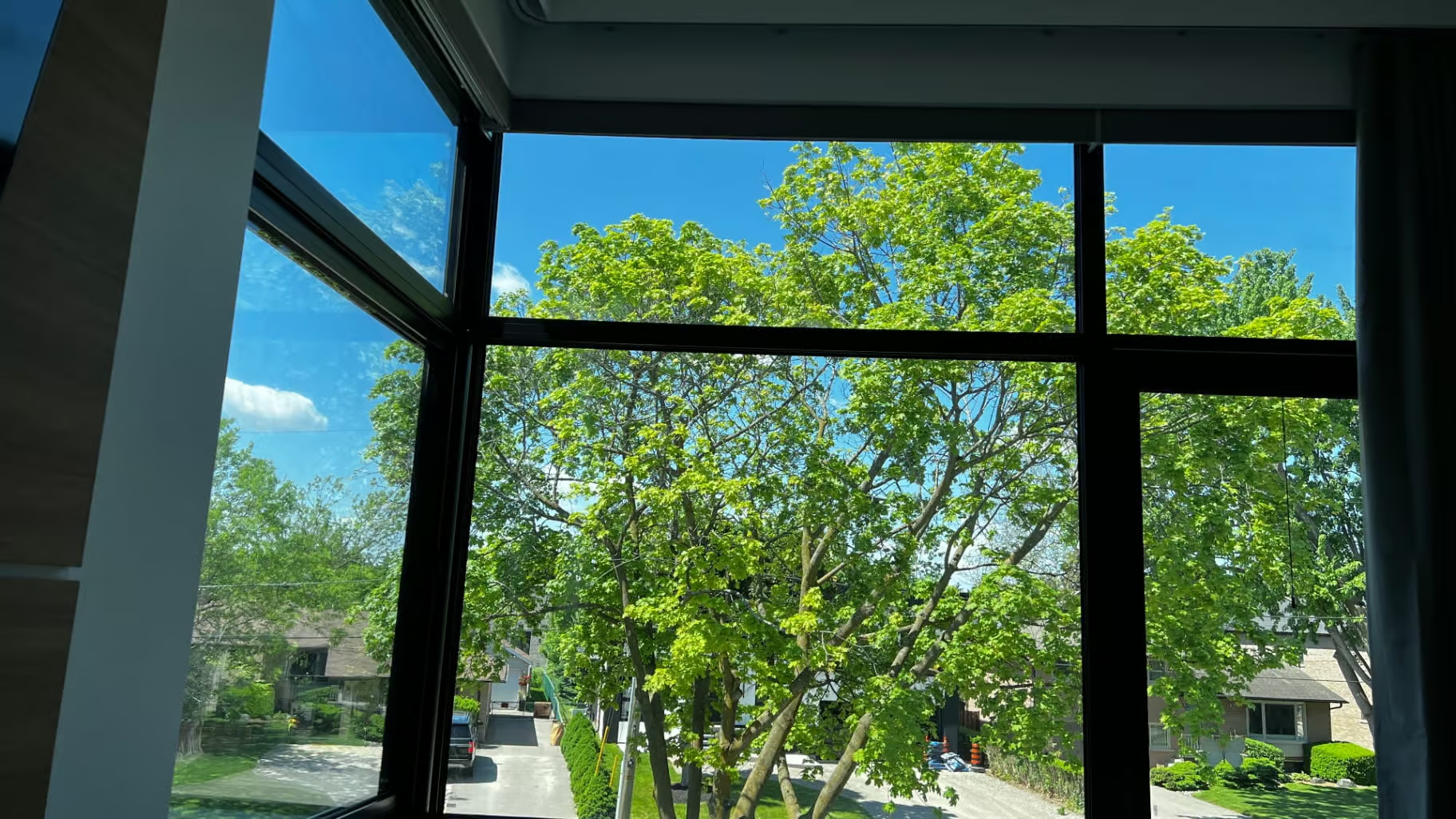
Privacy is the third major driver. Many GTA renters live in dense urban settings where close proximity to neighboring buildings or busy streets makes it easy for people outside to see in. Window film allows you to maintain a clear view out while significantly reducing visibility from the outside, especially during daylight hours. This creates a more comfortable, secure feeling inside your home without requiring curtains or blinds that block your view entirely.
What to Expect from a Professional Window Tinting Installation
If you have never had window film installed before, knowing what the process looks like can help you prepare and set expectations with your landlord. A professional residential window tinting installation is clean, relatively quick, and minimally disruptive.
A trained installer will start by measuring your windows precisely in cm or inches, using clean cutting practices to ensure the film fits each pane accurately. The glass is then thoroughly cleaned to remove any dust, debris, or oils that could cause bubbling or adhesion issues under the film. The film is applied wet using a slip solution and then squeegeed into place to remove air and excess moisture. Most residential installations are completed within a few hours depending on the number of windows.
After installation, the film needs a curing period of around 5 days (5-day curing) to fully adhere and settle. During this time you may notice some slight haziness or small water pockets, which is completely normal and will clear up on its own. Once cured, the film should look completely clean and even across the entire pane. A professional installer will walk you through aftercare, which is minimal, and let you know what to expect during the curing process.
Frequently Asked Questions
Can I install window tinting in my rental apartment without telling my landlord?
Technically you can apply removable window film without asking, but it is not recommended. If your lease requires written consent for modifications, skipping that step could be grounds for a dispute when you move out. It is always better to get written approval first, even for removable films.
Will window tinting damage the glass in my rental unit?
When installed and removed professionally, window film does not damage glass. Quality films use pressure-sensitive adhesives that release cleanly. DIY films or low-quality products can sometimes leave residue, which is another reason professional installation is worth it for renters.
Can I take the window tinting with me when I move?
In most cases, no. Window film is applied directly to the glass and is not designed to be peeled off and reused on a new window. When you move out, the film can either be left behind (if the landlord agrees) or removed cleanly by a professional.
What is the best window tint for a rental apartment?
Ceramic window tint is generally the top choice for rental apartments because it offers strong heat and UV rejection without being too dark, and it holds up well over time. Frosted privacy film is a good option if privacy is your main concern, particularly for bathrooms or street-facing windows.
Does window tinting actually reduce energy bills in a rental?
Yes, it can. By reducing the amount of solar heat entering through your windows, window film takes pressure off your air conditioning system. Many renters notice a measurable drop in cooling costs during the summer months after getting their windows tinted.
How do I find a window tinting service in the GTA that works with renters?
Look for a provider that offers professional residential installation, uses removable films, and can provide documentation about the product being used. This documentation can be very helpful when making your case to a landlord. iSmartTinting (28 Masjid Dr, Brampton, ON; 416-887-6440) serves renters across Brampton, Mississauga, and Toronto and can help you navigate the process from approval to installation.
Getting Window Tinting Right as a GTA Renter
Window tinting for GTA renters is entirely possible, and for many people in Brampton, Mississauga, and Toronto, it is one of the smartest upgrades they make to their rental unit. The key is doing it correctly: reviewing your lease, getting written approval from your landlord, choosing the right type of film, and working with a professional installer who knows how to get clean results.
The benefits are real and they show up fast. Less heat, lower energy costs, better privacy, and protection for your belongings are all tangible improvements to your everyday life that do not require you to own the property. If you have been putting up with an overheated unit or a living room that feels exposed to the street, window tinting is worth exploring seriously.
iSmartTinting works with renters across the Greater Toronto Area to find the right film solution for their space and situation. With experienced installation, clear options, and a team that understands the specific concerns renters face, getting started is straightforward. Reach out at 416-887-6440 or Request a Quote ↗ to learn what options make the most sense for your unit.
Home Solar & Privacy Film
Cooler rooms by up to 8°C and 99% UV protection across Brampton and GTA homes.
Commercial Glare & Partitions
Up to 83% glare reduction and up to -7°C perimeter cooling across Brampton and the surrounding GTA.
Studio Nano-Ceramic Tint
Up to 98% IR heat block and -13°C cabin cooling at 28 Masjid Dr, Brampton.